Apolyse SMS Nuker 2024
In today’s digital era, messaging tools have advanced not only for communication but also, unfortunately, for misuse. Apolyse SMS Nuker 2024 is a controversial yet powerful application designed to flood a target phone number with an overwhelming volume of SMS messages. While its ethical implications are debated, its technical capabilities have made it a widely discussed tool in cybersecurity and hacking circles.
What Is Apolyse SMS Nuker 2024?
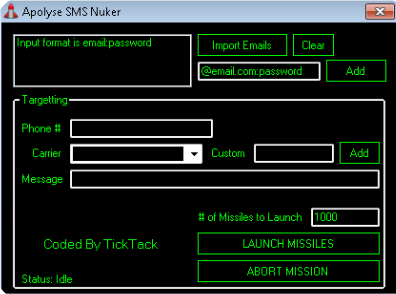
Apolyse SMS Nuker 2024 is a sophisticated SMS bombing tool that enables users to send a massive number of text messages to a single phone number within a short timeframe. It works by utilizing multiple SMS gateways and APIs to bypass restrictions, making it difficult for targets to block or mitigate the flood. Initially developed for testing network robustness, it has since been misused for pranks, harassment, and cyberattacks.
Key Features of Apolyse SMS Nuker
| Feature | Description |
|---|---|
| Massive SMS Bombing | Sends thousands of SMS messages per minute, overwhelming the recipient’s device. |
| Multi-Gateway Support | Utilizes multiple SMS APIs and services to avoid detection and blocking. |
| Custom Message Templates | Enables personalization of messages or use of pre-loaded spam templates. |
| Proxy Integration | Supports proxy servers to hide the sender’s IP address and increase anonymity. |
| Scheduled Attacks | Allows delayed or timed SMS flooding for strategic disruption. |
| Unlimited Targeting | Capable of attacking multiple phone numbers simultaneously. |
| Encrypted Logs | Stores user activity logs in encrypted form to prevent tracking or exposure. |
| User-Friendly Interface | Simple enough for beginners yet customizable for advanced users. |
While the ethical use of such software is controversial, potential justifications include:
Security Testing: Ethical hackers may use it to evaluate network and device resilience to SMS floods.
Pranks: Some deploy it for harmless—but disruptive—jokes on friends.
Retaliation: Occasionally used against scammers or harassers.
However, misuse can lead to severe legal consequences, including charges related to cyber harassment and abuse.