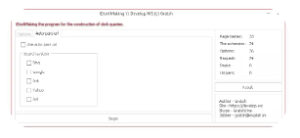
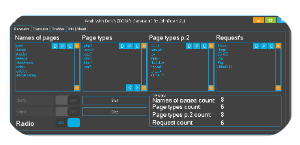
BirDuster v.1.0
In the evolving landscape of cyber threats, malicious tools like BirDuster v.1.0 have emerged as potent weapons for attackers, enabling them to bypass security measures and deliver harmful payloads with alarming efficiency. This software exemplifies the growing sophistication of cyberattack tools, leveraging advanced techniques to evade detection while maintaining a low profile. Its ability to exploit system vulnerabilities makes it a significant concern for cybersecurity professionals, particularly in targeted attacks where stealth and persistence are critical.
Download Link 1
Download Link 2
Download Link 3
Download Link 4
BirDuster v.1.0 is a stealth-oriented malware delivery tool designed to infiltrate systems, execute malicious code, and maintain long-term access for attackers. Typically, it is used in targeted attacks where adversaries seek to deploy ransomware, spyware, or remote access trojans (RATs). The software operates by exploiting weaknesses in system defenses, often leveraging social engineering or software vulnerabilities to gain initial access. Once inside a system, it employs multiple evasion techniques to avoid detection while delivering its payload.
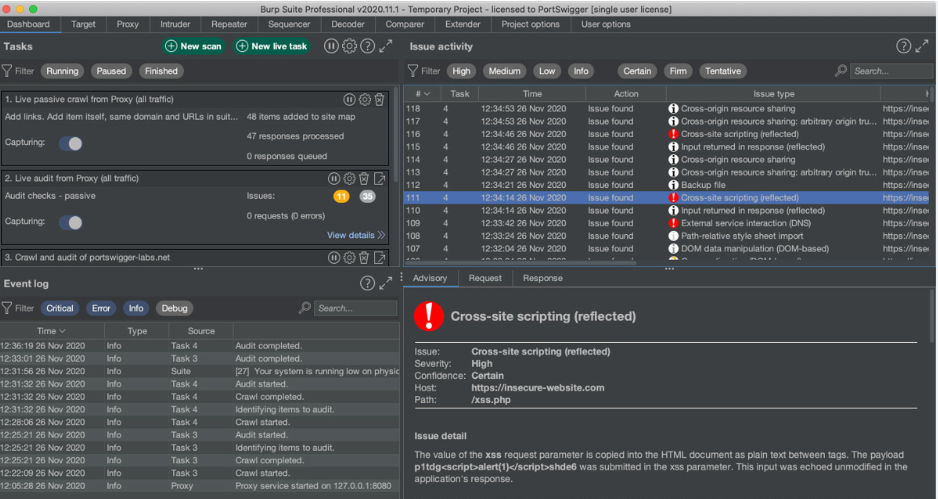
Key Features of BirDuster v.1.0
| Feature | Description |
| Polymorphic Code | Changes its structure to evade signature-based detection. |
| Process Injection | Injects malicious code into legitimate processes to avoid suspicion. |
| Persistence Mechanisms | Ensures continued operation via registry modifications or scheduled tasks. |
| Encrypted Payloads | Uses strong encryption to hide malicious payloads from analysis. |
| Anti-Debugging | Detects and disrupts debugging or sandbox environments. |
| C2 Communication | Connects to command-and-control servers for updates and instructions. |
How the Software Works
- Initial Infection
The software typically gains access through phishing emails, malicious downloads, or the exploitation of unpatched vulnerabilities. Once executed, it begins by conducting reconnaissance to identify system defenses, such as antivirus software or firewalls.
- Evasion Techniques
To avoid detection, the tool employs polymorphism, altering its code structure with each execution. It may also inject its payload into trusted processes (e.g., explorer.exe or svchost.exe) to appear legitimate. Anti-debugging techniques disrupt analysis attempts, while encrypted communications with C2 servers prevent network-based detection.
- Payload Delivery
After establishing persistence (e.g., via registry keys or startup scripts), the software retrieves and decrypts its final payload. This could be ransomware, spyware, or a backdoor, depending on the attacker’s objectives. The payload is then executed within a disguised process, minimizing suspicion.
- Command and Control
The malware maintains a connection with a remote server, enabling attackers to issue commands, update the malware, or exfiltrate data. Communication is often hidden within regular traffic to avoid triggering alerts.
By combining these techniques, the software ensures a practical, long-term compromise of targeted systems while remaining undetected by conventional security measures.
![Work With Dorks [DORK’s Generator]-Dork Generator](https://blackhatus.com/wp-content/uploads/2025/07/Work-With-Dorks-DORKs-Generator-Dork-Generator-1.png)