Botnet Collection Pack 2024
Botnets—networks of compromised devices controlled remotely—remain a major cybersecurity threat in 2024. While malicious hackers use them for large-scale attacks, ethical hackers and cybersecurity researchers analyze botnet tools to strengthen defenses. This article explores the most powerful Botnet Collection Packs of 2024, their functionalities, and their legitimate applications in cybersecurity.
Download Link 1
Download Link 2
Download Link 3
Download Link 4
What is a Botnet Collection Pack 2024?
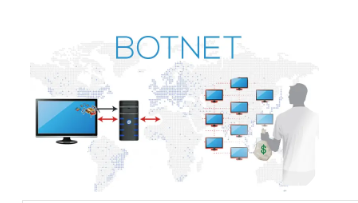
A botnet is a network of infected devices (bots) controlled by a hacker to perform coordinated attacks, such as DDoS, spam campaigns, data theft, and crypto mining. Ethical hackers study botnet techniques to develop countermeasures, while unauthorized use can lead to severe legal consequences.
Detailed Features
| Botnet Name | Primary Function | Key Features | Platform |
|---|---|---|---|
| Mirai | IoT-Based DDoS | – Exploits default IoT credentials – High attack scalability – Modular C&C (Command & Control) | Linux |
| Qbot (QakBot) | Banking Trojan + Botnet | – Spreads via phishing emails – Steals banking credentials – Modular plugin system | Windows |
| Echobot | IoT Exploitation | – Targets enterprise vulnerabilities (SMB, RDP) – Combines Mirai with new exploits – Evades basic detection | Linux |
| Emotet | Malware Loader + Spam Botnet | – Polymorphic code to avoid AV detection – Spreads via malicious macros – Can drop ransomware | Windows |
| TrickBot | Banking Trojan + Botnet | – Uses web injects for fraud – Lateral movement in networks – Can deploy ransomware | Windows |
| DarkComet | RAT (Remote Access Tool) | – Keylogging, screen capture – File manipulation – Persistence mechanisms | Windows |
| NanoCore | RAT + Botnet | – Remote desktop control – Cryptocurrency mining – Distributed task execution | Windows |
Why Use These Tools?
Ethical hackers and cybersecurity professionals study botnets for:
- Threat Intelligence – Analyzing attack patterns to improve defenses.
- Penetration Testing – Simulating botnet attacks to test network resilience.
- Incident Response Training – Preparing teams to detect and mitigate infections.
- Malware Research – Reverse-engineering botnet code to develop antivirus signatures.