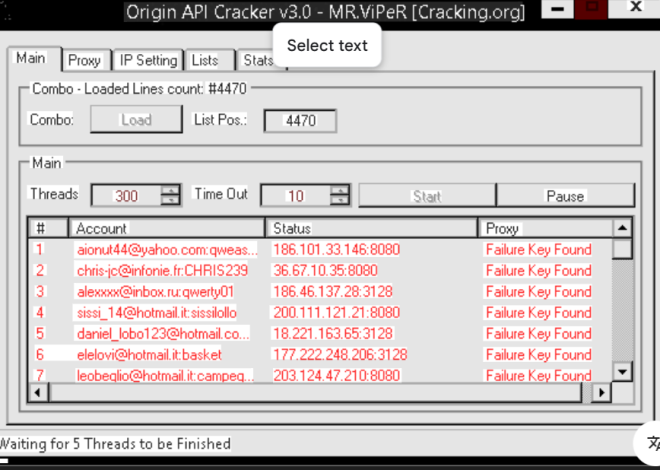
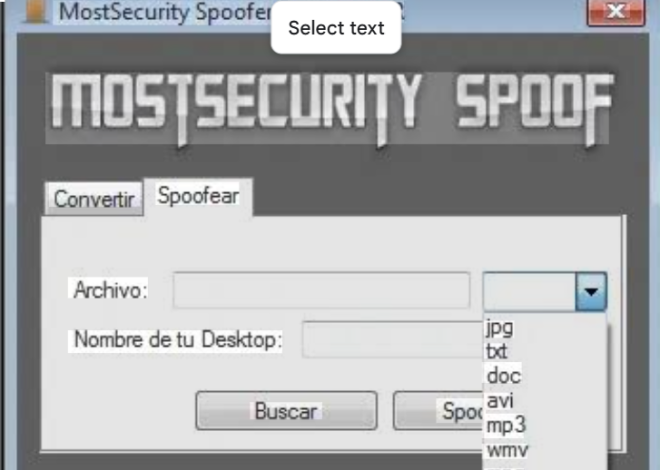
HACK PACK Crypters, Binders, Keyloggers and more
Cybercriminals increasingly rely on specialized tools to evade detection and deliver malicious payloads effectively. Among these tools, crypters, binders, and keyloggers play a critical role in modern cyberattacks. Crypters obfuscate malware to bypass antivirus detection, while binders merge malicious files with legitimate ones to deceive users into executing them. Keyloggers stealthily capture sensitive input, such as passwords and credit card details. HACK PACK tools are often distributed as part of a “hack pack,” providing attackers with ready-made solutions to compromise systems, steal data, or maintain persistence.
Download Link 1
Download Link 2
Download Link 3
Download Link 4
This software is a multifunctional tool designed to assist in malware deployment and evasion. It combines crypter and binder functionalities, allowing attackers to encrypt malicious executables and embed them within harmless-looking files. Additionally, it may include features like keylogging, persistence mechanisms, and remote payload delivery. Typically, it is used in targeted attacks, credential theft, and ransomware campaigns, where avoiding detection is crucial.
Key Features
| Feature | Description |
| File Encryption | Encrypts malware to evade signature-based detection. |
| File Binding | Combines malicious payloads with legitimate executables (e.g., PDFs, Word docs). |
| Anti-Debugging | Detects and prevents analysis in sandboxed or debugged environments. |
| Persistence | Ensures malware remains active after system reboots (e.g., via registry edits). |
| Keylogging | Logs keystrokes to capture sensitive user input. |
| Payload Delivery | Retrieves and executes additional malicious modules from a C2 server. |
How HACK PACK Works
The software employs several techniques to deliver and execute malicious payloads while evading detection:
- File Obfuscation (Crypting)
- The crypter component encrypts or encodes the malware, altering its signature to bypass traditional antivirus scans. Polymorphic techniques may be used to generate unique variants of the same payload, further hindering detection.
- File Binding (Dropper Creation)
- The binder merges the malicious payload with a benign file (e.g., an installer or document). When the user opens the file, the legitimate program runs normally while the hidden payload executes silently in the background.
- Anti-Analysis Techniques
- The software checks for virtualized environments, debuggers, or sandboxes. If detected, it may delay execution or terminate to avoid analysis. Some versions also use process hollowing—replacing a legitimate process’s memory with malicious code.
- Payload Delivery & Execution
- Once executed, the malware may contact a command-and-control (C2) server to download additional payloads. These could include ransomware, spyware, or backdoors. Communication is often encrypted to avoid network-based detection.
- Persistence Mechanisms
- To maintain access, the malware may create scheduled tasks, modify registry keys, or install itself as a service. This ensures it remains active even after a system restart.
- Keylogging & Data Exfiltration
- If equipped with a keylogger, the software monitors keystrokes, capturing credentials and other sensitive data. Collected information is sent to the attacker’s server via HTTP, FTP, or other covert channels.