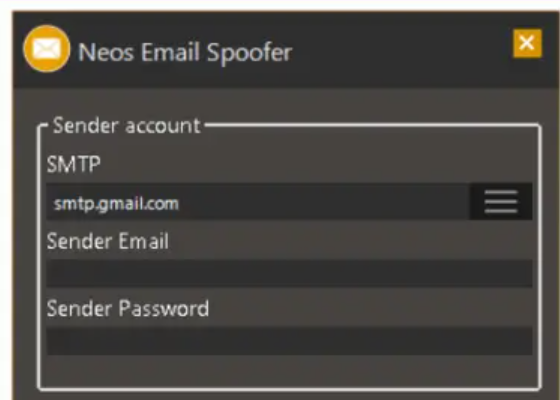
Neos Email Spoofer 2024
In today’s digital age, where email continues to be a critical communication medium, Neos Email Spoofer 2024 has emerged as one of the most advanced tools for email spoofing. While it serves as a powerful resource for security professionals to test vulnerabilities, it also exposes serious risks when misused for phishing, fraud, or social engineering attacks.
What Is Neos Email Spoofer 2024?
Neos Email Spoofer 2024 is a high-level email spoofing application that allows users to manipulate email headers and make messages appear to come from any address. Unlike standard mail clients, it bypasses essential authentication systems like SPF, DKIM, and DMARC using advanced exploitation techniques. While it has valid use cases in ethical hacking and email system research, its misuse in phishing makes it a major cybersecurity concern.
Key Features of Neos Email Spoofer
| Feature | Description |
|---|---|
| Multi-Protocol Support | Compatible with SMTP, HTTP mailers, and API-based sending methods. |
| Header Manipulation | Complete control over headers such as From, Reply-To, and Return-Path. |
| Domain Spoofing | Imitates trusted domains with visual accuracy (including homograph attacks). |
| Attachment Spoofing | Attaches malicious files disguised under legitimate file names and senders. |
| DKIM Bypass | Specialized techniques to bypass DomainKeys Identified Mail validation. |
| SPF Avoidance | Circumvents Sender Policy Framework using crafted relay techniques. |
| Dynamic Content Support | Supports variables and templates for custom message generation. |
| Tracking Integration | Built-in pixel tracking, read receipts, and link tracking features. |
| Proxy Chaining | Uses rotating IPs and chained proxies to avoid detection and blacklisting. |
| Stealth Mode | Reduces digital traces by modifying email headers and metadata. |
Why Use Neos Email Spoofer 2024?
While its capabilities raise concerns, there are limited ethical uses, including:
✅ Security Audits – Test corporate email systems for spoofing resilience.
✅ Phishing Simulations – Conduct employee awareness training under controlled environments.
✅ Email Infrastructure Testing – Researching vulnerabilities in mail servers.
✅ Penetration Testing – Authorized ethical hacking as part of red team assessments.