Netflix Ultimate Cracking Pack 2025
In 2025, credential-cracking tools designed for streaming platforms have evolved into a significant cybersecurity threat. Netflix Ultimate Cracking Pack 2025 tools, often marketed as a means to bypass paid subscriptions, are increasingly weaponized for large-scale credential-stuffing attacks, identity theft, and financial fraud. By exploiting weak authentication mechanisms and leaked credential databases, attackers can hijack accounts, resell access, or even deploy malware through compromised profiles. The rise of such tools highlights the growing intersection between cybercrime and the abuse of legitimate streaming services.
Download Link 1
Download Link 2
Download Link 3
Download Link 4
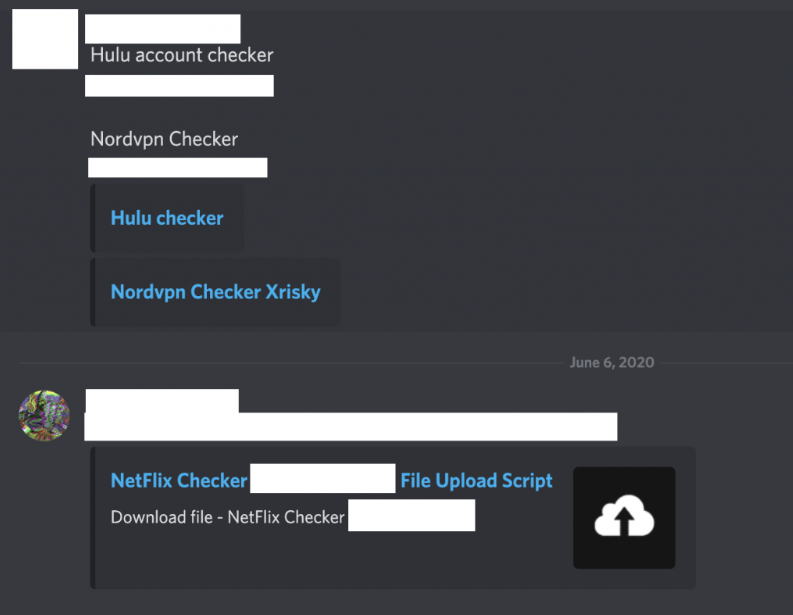
This software is designed to automate the process of testing stolen or leaked credentials against streaming platforms, primarily targeting premium accounts. While some users may employ it to gain unauthorized access to subscription-based content, threat actors leverage it for more malicious purposes, such as harvesting valid logins for resale on dark web markets or using compromised accounts as a foothold for further attacks. The tool typically integrates credential-checking, proxy rotation, and brute-force capabilities to maximize success rates while evading detection.
Key Features
| Feature | Description |
| Credential Stuffing | Tests large volumes of username/password combinations against streaming logins. |
| Proxy & VPN Support | Rotates IPs to avoid rate limits and IP bans. |
| Brute-Force Capabilities | Attempts systematic password guesses for weak accounts. |
| Session Hijacking | Steals active login tokens to maintain unauthorized access. |
| Automated Bypass | Evades CAPTCHAs and basic anti-bot measures. |
| Account Checker & Sorter | Identifies valid accounts and categorizes them by subscription tier. |
| Malware Injection | Delivers malicious payloads through fake updates or plugins. |
How Netflix Ultimate Cracking Pack 2025 Works
The software operates through a combination of automation, evasion techniques, and exploitation of weak security practices. Here’s a breakdown of its functionality:
- Credential Harvesting & Loading – The tool imports lists of leaked or stolen credentials (often sourced from past data breaches) and formats them for automated login attempts. Attackers may also use custom wordlists for brute-forcing weak passwords.
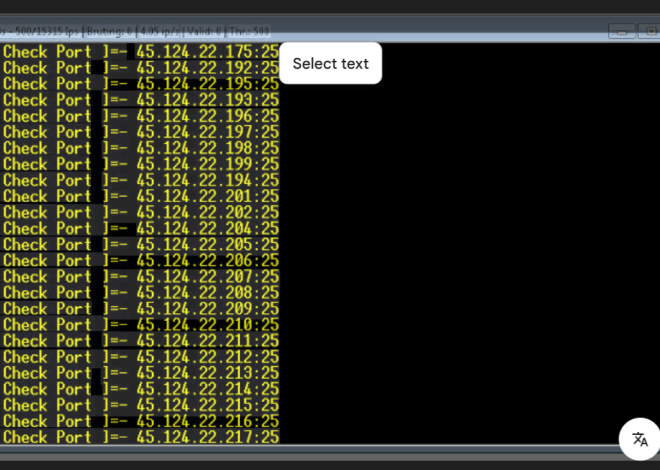
- Proxy & VPN Rotation – To avoid triggering rate limits or IP-based bans, the software routes login attempts through multiple proxies or VPNs, making each request appear to come from a different location. This slows down detection and allows for sustained attacks.
- Automated Login Attempts – The tool sends login requests to the streaming platform’s authentication servers, testing each credential pair. Successful logins are flagged and stored for later use, while failures are discarded or retried with slight variations.
- Session Hijacking & Persistence – Some advanced versions intercept session cookies or authentication tokens, allowing attackers to maintain access even after password changes. This technique is particularly dangerous as it bypasses multi-factor authentication (MFA) in some cases.
- CAPTCHA & Anti-Bot Bypass – The software may integrate third-party CAPTCHA-solving services or machine learning models to bypass basic anti-automation measures. In more sophisticated cases, it mimics human-like behavior (e.g., randomized delays between attempts).
- Payload Delivery (Malicious Use Case) – If weaponized, the tool can bundle malware disguised as a “cracked plugin” or “premium unlocker.” Once executed, this payload may deploy keyloggers, ransomware, or remote access trojans (RATs) on the victim’s system.
- Account Resale & Monetization – Valid accounts are often compiled into lists and sold on underground forums. Some attackers use compromised accounts for further fraud, such as abusing stored payment methods.