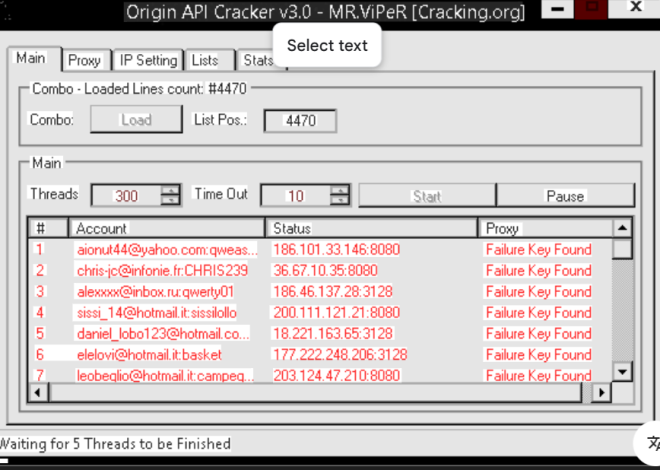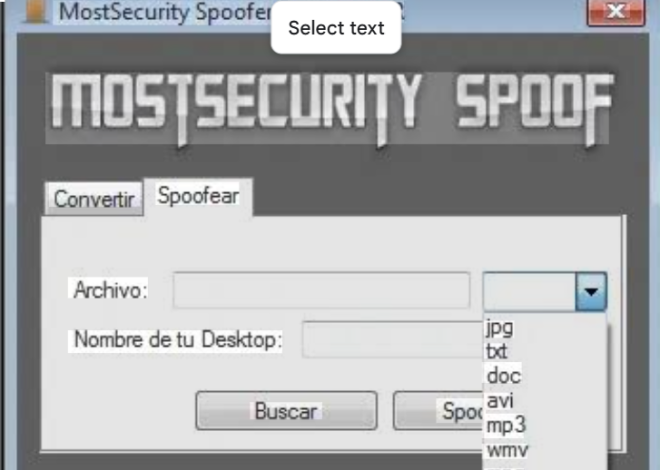
novobot 2024
Novobot 2024, a sophisticated malware strain, emerged as a significant threat in modern cyberattacks, leveraging advanced evasion techniques to bypass traditional security measures. Dubbed Novobot 2024 by researchers, this malware has been linked to high-profile breaches, particularly in phishing campaigns and ransomware deployments. Its modular architecture and ability to dynamically adapt to different environments make it a persistent challenge for defenders. By exploiting both human and technical vulnerabilities, this threat underscores the evolving sophistication of cybercriminal tools.
Download Link 1
Download Link 2
Download Link 3
Download Link 4
This malware is a multi-stage, modular threat designed primarily for stealthy infiltration and payload delivery. It typically operates as a dropper or loader, meaning its initial component is responsible for deploying additional malicious modules onto the victim’s system. Common use cases include credential theft, ransomware deployment, and espionage. Attackers often distribute it through phishing emails, malicious attachments, or compromised software updates. Once executed, it establishes persistence and communicates with a command-and-control (C2) server to receive further instructions.
Key Features of novobot 2024
| Feature | Description |
| Modular Design | Components are downloaded post-infection, making detection harder. |
| Persistence Mechanisms | Uses registry modifications, scheduled tasks, or service creation. |
| Evasion Techniques | Anti-sandboxing, code obfuscation, and process hollowing. |
| C2 Communication | Encrypted traffic to blend in with legitimate network activity. |
| Payload Versatility | Can deliver ransomware, spyware, or remote access trojans (RATs). |
How novobot 2024 Works
Infection and Initial Execution
The malware typically arrives via a malicious email attachment, disguised as a legitimate document or executable. When the victim opens the file, a dropper component is activated. This dropper may employ social engineering tactics (e.g., fake prompts) to deceive users into enabling macros or granting administrative privileges. Once executed, it decodes or fetches the next stage payload from an embedded resource or a remote server.
Evasion and Persistence
To avoid detection, the malware employs several techniques:
- Anti-Sandboxing: Checks for virtualized environments (e.g., VirtualBox, VMware) and halts execution if detected.
- Code Injection: Uses process hollowing to inject malicious code into a legitimate process (e.g., explorer.exe).
- Obfuscation: Encrypts or dynamically generates portions of its code to hinder static analysis.
For persistence, it may create registry run keys, scheduled tasks, or even modify system binaries to ensure it survives reboots.