Sseur Keyloger 2024
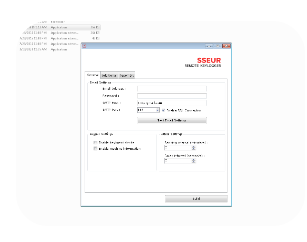
Sseur Keyloger 2024 is an advanced keystroke logging tool frequently analyzed in cybersecurity research to understand modern data-exfiltration techniques. While keyloggers have legitimate uses (e.g., parental controls or employee monitoring), unauthorized deployment constitutes a severe privacy violation. This guide explores its functionalities strictly for ethical hacking, malware analysis, and defensive cybersecurity purposes.
Download Link 1
Download Link 2
Download Link 3
What is Sseur 2024?
Sseur Keylogger 2024 is a Windows-based surveillance tool designed to record keystrokes, capture screens, and monitor user activity. Security researchers study it to:
- Identify keylogger persistence mechanisms.
- Develop detection signatures for antivirus/EDR solutions.
- Train incident response teams in forensic analysis.
Detailed Features of Sseur Keyloger 2024
| Feature | Technical Description |
|---|---|
| Keystroke Logging | Records all keyboard inputs (passwords, messages, etc.) with timestamps. |
| Stealth Mode | Hides processes from Task Manager and avoids heuristic detection. |
| Screenshot Capture | Takes periodic screenshots (configurable intervals). |
| Clipboard Monitoring | Logs copied text (e.g., passwords, crypto wallet addresses). |
| Browser Data Harvesting | Extracts saved credentials, cookies, and browsing history from Chrome/Firefox/Edge. |
| Remote Data Exfiltration | Sends logs via email, FTP, or C2 server (encrypted or plaintext). |
| Persistent Installation | Survives reboots via Registry Run keys or Task Scheduler. |
| Process Injection | Injects into legitimate processes (explorer.exe, svchost.exe) to evade detection. |
| Anti-Sandboxing | Checks for virtualized environments to delay execution. |
| Customizable Triggers | Activates logging only when specific apps (e.g., banking sites) are open. |
Why Study Sseur Keyloger?
- Defensive Cybersecurity: Helps develop detection rules (YARA/Snort signatures).
- Digital Forensics: Trains analysts in log extraction and memory analysis.
- Red Team Exercises: Simulates advanced persistent threats (APTs) in authorized tests.
- Academic Research: Supports coursework in malware reverse engineering (e.g., GREM, OSCP).
- Threat Intelligence: Documents evolving keylogger TTPs (Tactics, Techniques, Procedures).