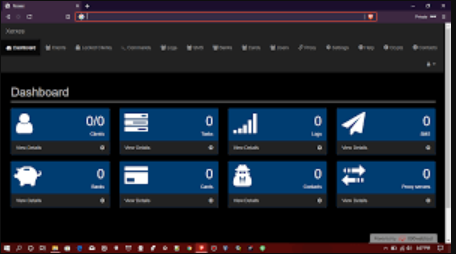
Xerxes Android Botnet 2025
XERXES Android Botnet 2025 has emerged as one of the most sophisticated mobile botnets currently threatening the cybersecurity landscape, representing a significant evolution in Android-focused malware capabilities. This advanced threat has been actively deployed in global campaigns targeting both individual users and enterprise mobile devices, demonstrating alarming flexibility in its attack vectors and command structure. Security researchers have observed its use in large-scale SMS fraud, credential harvesting, and DDoS operations, with particular effectiveness due to its modular architecture and resilient peer-to-peer communication protocol. The 2025 version incorporates several concerning innovations, including AI-assisted target selection and the ability to bypass newer Android security features, making it particularly dangerous in an increasingly mobile-first world.
Download Link 1
Download Link 2
Download Link 3
Download Link 4
What is the Xerxes Android Botnet
This Android malware operates as a multi-functional botnet designed to create networks of compromised mobile devices under attacker control. The software is typically distributed through:
- Malicious apps in third-party app stores.
- SMS phishing campaigns with infected links.
- Compromised websites with drive-by downloads.
- Trojanized versions of popular applications.
Once installed, it enables attackers to:
- Harvest sensitive data (credentials, messages, contacts).
- Conduct SMS fraud (premium rate number scams).
- Launch DDoS attacks from infected devices.
- Deploy additional payloads (banking trojans, ransomware).
- Maintain persistent access through sophisticated hiding techniques.
Key Features
| Feature | Description |
| Modular Architecture | Supports dynamic loading of malicious components |
| P2P Command Structure | Uses decentralized control for resilience |
| SMS Fraud Toolkit | Includes premium number spam and interception capabilities |
| Credential Harvesting | Targets banking apps, social media, and email clients |
| DDoS Capabilities | Can launch UDP/TCP/HTTP floods from infected devices |
| Advanced Persistence | Survives device reboots and factory resets |
| AI-Assisted Targeting | Analyzes user behavior to optimize attack timing |
How the Xerxes Android Botnet
1. Initial Compromise and Installation
The botnet spreads through multiple infection vectors:
- Social engineering (fake security updates, game mods).
- Exploiting Android vulnerabilities (unpatched devices).
- Malicious ads redirecting to infected APKs.
Upon installation, it:
- Requests extensive permissions (SMS, contacts, accessibility).
- Disables Google Play Protect through accessibility abuse.
- Downloads additional modules from C2 servers.
- Establishes communication with peer nodes.
2. Botnet Communication and Control
The malware uses an innovative hybrid C2 approach:
- Peer-to-peer mesh network for primary communication.
- Blockchain-based fallback for C2 resilience.
- Encrypted messages through legitimate cloud services.
Each infected device:
- Maintains a list of peer nodes.
- Relays commands through the network.
- Self-updates through distributed packages.
3. Malicious Payload Execution
Depending on the attacker’s commands, the botnet can:
Conduct SMS Fraud:
- Send premium rate messages.
- Intercept SMS verification codes.
- Propagate through contact lists.
Harvest Credentials:
- Overlay attacks on banking apps.
- Keylogging through accessibility services.
- Screen capture during login sessions.
Launch DDoS Attacks:
- Coordinate UDP floods from mobile networks.
- Target web applications with HTTP requests.
- Adjust attack intensity based on device resources.
4. Persistence and Evasion Techniques
The botnet employs multiple advanced methods to maintain its presence:
Device Rooting (when possible):
- Exploit known vulnerabilities for permanent access.
- Installs as sa ystem application on rooted devices.
Non-Root Persistence:
- Abuse of accessibility services.
- Foreground service notifications.
- Periodic reactivation through alarm managers.
Anti-Detection Measures:
- Dynamic code loading.
- Sleep modes during security scans.
- Fake uninstall routines.