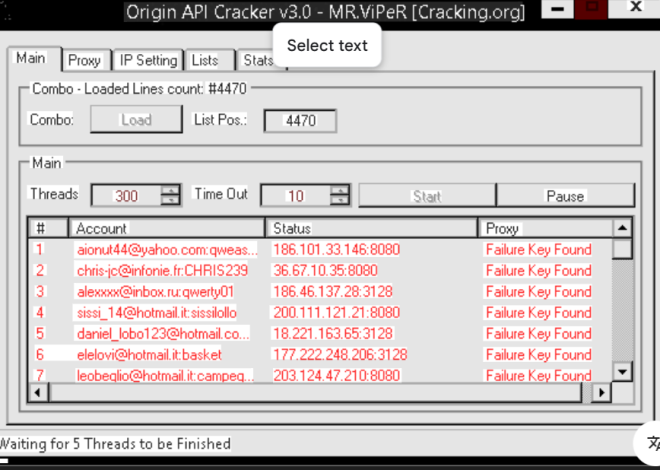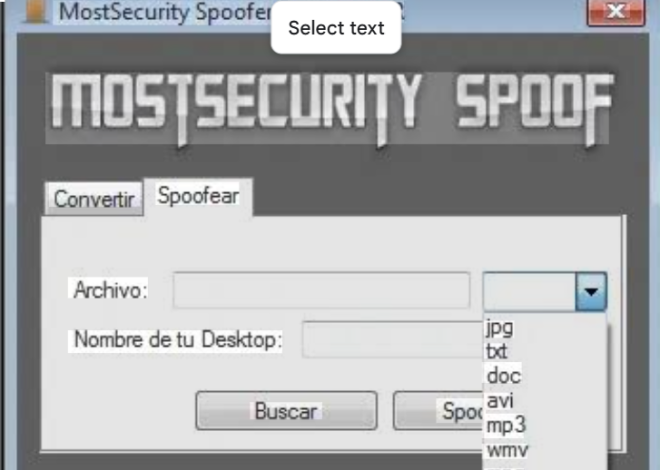
Predator The Thief English Version 2024
Predator The Thief is a powerful and controversial information-stealing malware that has gained attention in cybersecurity circles. Originally developed in underground forums, it has evolved into a sophisticated tool capable of extracting sensitive data from compromised systems. While its use is illegal and unethical, understanding its functionality is crucial for cybersecurity professionals to defend against such threats.
Download Link 1
Download Link 2
Download Link 3
Download Link 4
What is Predator The Thief?
It operates stealthily, collecting credentials, financial data, browser histories, cryptocurrency wallets, and other personal details. The 2024 English version includes enhanced evasion techniques, making it harder for antivirus programs to detect.
Detailed Features of Predator The Thief (2024 Version)
| Feature | Description |
|---|---|
| Data Theft Capabilities | Extracts passwords, cookies, credit card details, and autofill data from browsers (Chrome, Firefox, Edge, etc.). |
| Cryptocurrency Stealing | Targets Bitcoin, Ethereum, and other wallet files (e.g., Exodus, MetaMask). |
| Keylogging | Logs keystrokes to capture login credentials and other typed information. |
| Screen Capture | Takes screenshots periodically to monitor user activity. |
| Webcam & Mic Access | Can activate cameras and microphones for unauthorized surveillance. |
| File Grabbing | Searches for and exfiltrates documents (PDFs, Word, Excel) from the system. |
| Discord & Telegram Token Theft | Steals session tokens to hijack accounts. |
| Anti-Detection Mechanisms | Uses obfuscation, process hollowing, and delays to bypass AV scans. |
| C2 (Command & Control) Communication | Connects to a remote server to upload stolen data. |
| Self-Destruction | Can delete traces after execution to avoid forensic analysis. |
Why Do Hackers Use Predator The Thief?
This malware is favored by hackers due to its all-in-one data harvesting capabilities, ease of deployment, and ability to evade detection. It is often distributed through phishing emails, fake software cracks, or malicious downloads. Cybersecurity experts study such malware to develop better defense mechanisms, including behavioral detection and endpoint protection.