Spynote v5.0
Spynote v5.0 is an advanced Remote Access Trojan (RAT) often analyzed by cybersecurity professionals to understand modern surveillance malware. While originally developed for penetration testing and ethical hacking research, it has been misused by threat actors for unauthorized access. This article explores its functionalities, ethical implications, and defensive measures.
Download Link 1
Download Link 2
Download Link 3
Download Link 4
What is Spynote v5.0?
It allows security researchers to study how malicious actors exploit mobile devices for data theft, surveillance, and system manipulation. Ethical hackers use Spynote v5.0 in controlled environments to develop detection and mitigation techniques.
Detailed Features of Spynote v5.0
| Feature | Description |
|---|---|
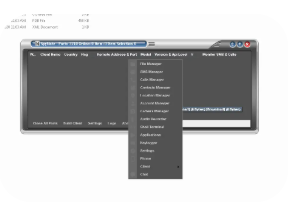
| Remote Device Control | Full access to infected devices, including file management, app control, and settings modification. |
| Keylogging & Screen Recording | Captures keystrokes and records screen activity to analyze input behavior. |
| Live Camera & Mic Access | Enables real-time surveillance via device cameras and microphones. |
| GPS Tracking | Monitors and logs the victim’s location in real time. |
| SMS & Call Interception | Reads SMS messages, call logs, and can even send messages remotely. |
| Persistent Backdoor | Maintains access even after device reboots or security updates. |
| File Encryption & Exfiltration | Stealthily transfers stolen data to a remote server. |
| Phishing & Social Engineering | Supports fake login pages to harvest credentials. |
| Anti-Detection Mechanisms | Uses obfuscation and encryption to evade antivirus detection. |
| Customizable Payloads | Allows attackers to tailor malware for specific targets. |
Why Do Hackers Use Spynote v5.0?
Ethical Hacking & Defense: Helps security experts understand RAT behavior to develop stronger protections.
Incident Response Training: Prepares cybersecurity teams to detect and remove such malware.
Penetration Testing: Used in authorized red team exercises to assess mobile security vulnerabilities.
Academic Research: Supports cybersecurity education in malware analysis and reverse engineering.
Threat Intelligence: Provides insights into evolving attack techniques for better threat modeling.